We have two competition skills
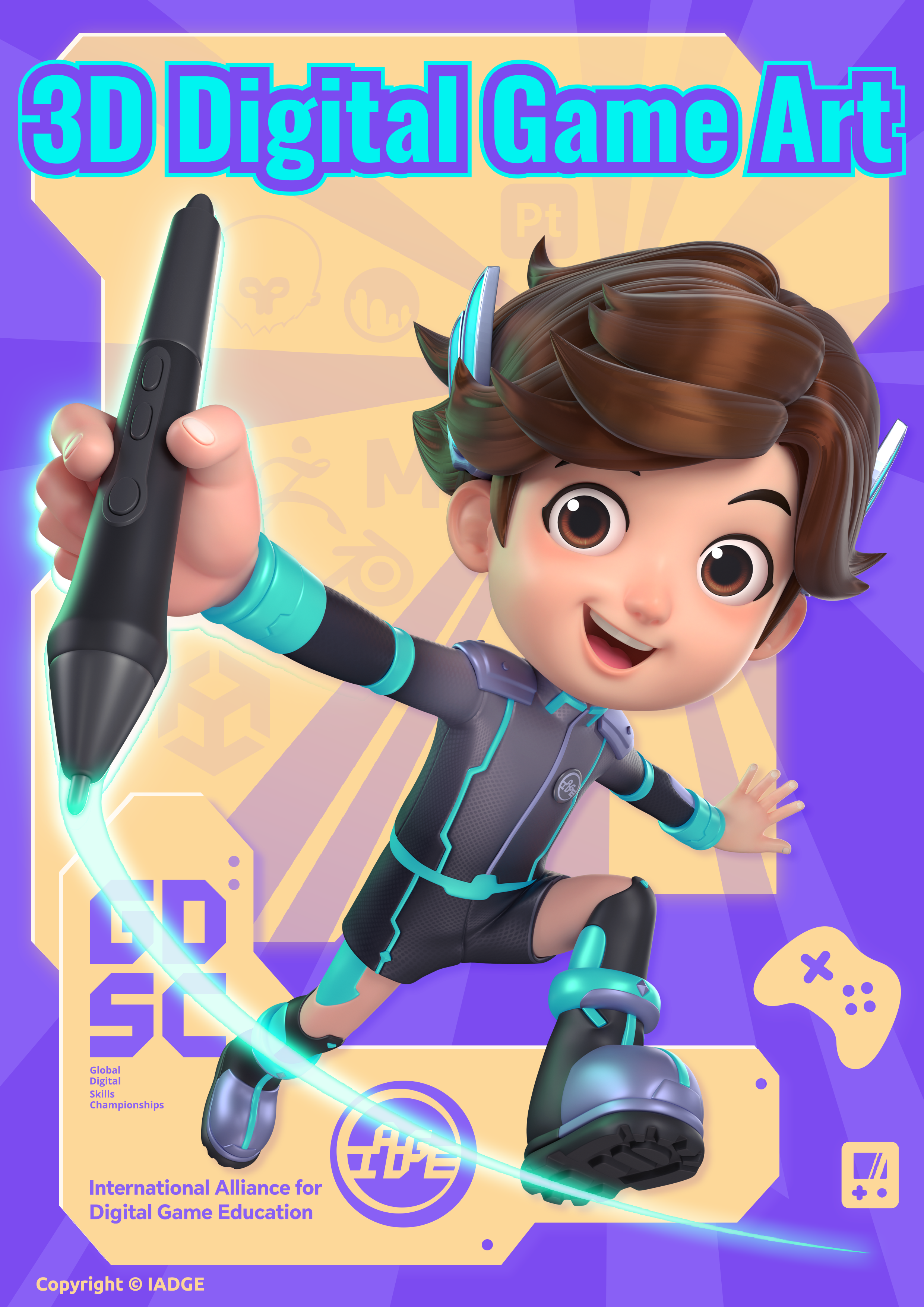
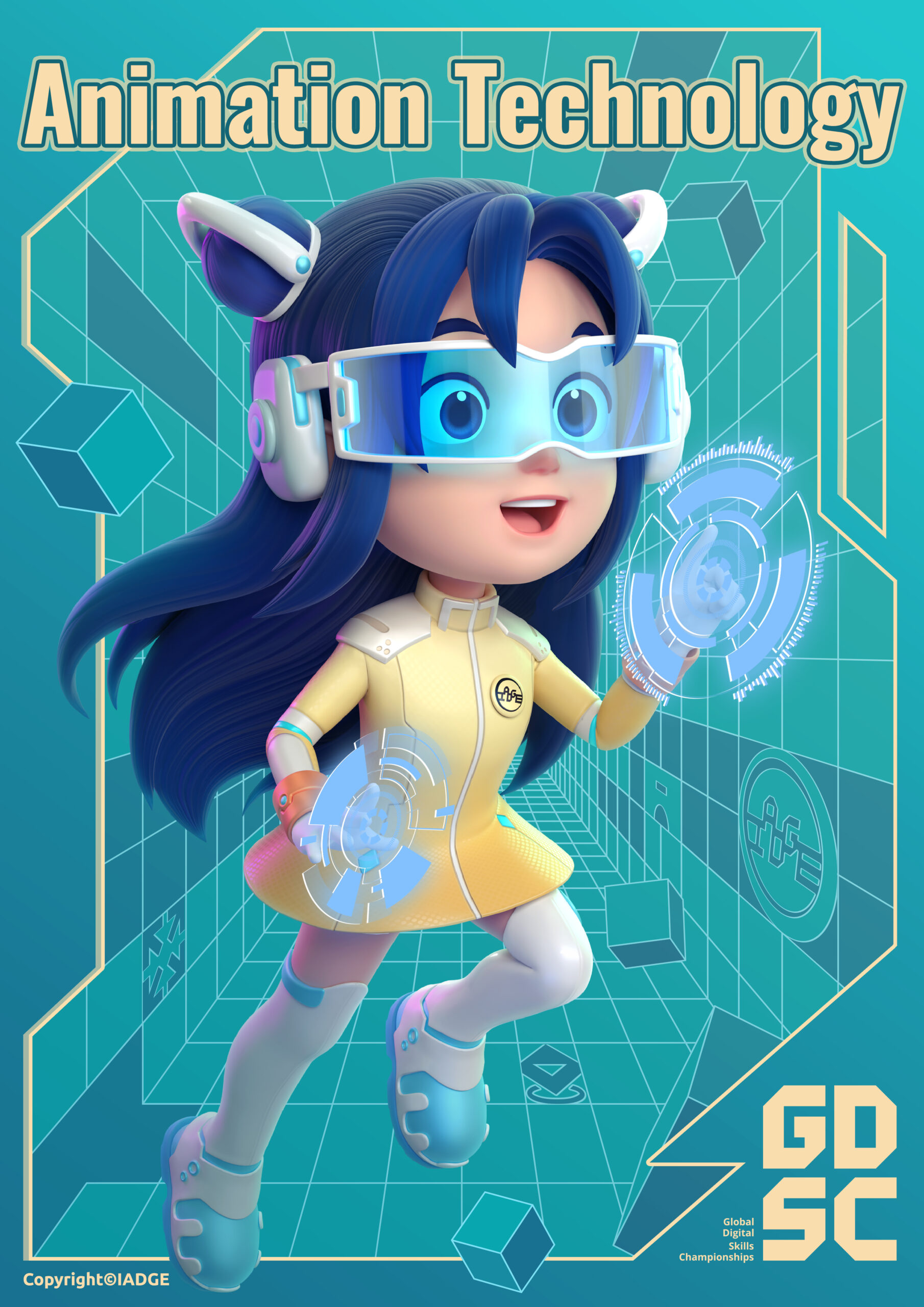
3D digital game artists use their creativity, technology, and geometry skills to create captivating animated experiences in a video game. 3D digital game artists draw, model, and animate in different styles depending on the type of game and are responsible for every aspect from taking a designer’s brief to using creative, technical, and specialist skills to deliver a marketable game.
Animation technology artists use their creativity, technology, and geometry skills to create captivating animated experiences in a video game. 3D digital game artists draw, model, and animate in different styles depending on the type of game and are responsible for every aspect from taking a designer’s brief to using creative, technical, and specialist skills to deliver a marketable game.
3D Digital Game Art · Animation Technology · 3D Digital Game Art · Animation Technology · 3D Digital Game Art · Animation Technology · 3D Digital Game Art · Animation Technology ·
3D Digital Game Art · Animation Technology · 3D Digital Game Art · Animation Technology · 3D Digital Game Art · Animation Technology · 3D Digital Game Art · Animation Technology ·
3D Digital Game Art · Animation Technology · 3D Digital Game Art · Animation Technology · 3D Digital Game Art · Animation Technology · 3D Digital Game Art · Animation Technology ·
3D Digital Game Art
Module A: Conceptual Design and Documentation
The contestants are required to determine the artistic style according to the design outline given by the title, use the computer software to complete the conceptual design scheme and color scheme according to the technical specifications of the competition, and write a design description file of design ideas, polygon budget table allocation, action design, etc.
Module B: 3D Modeling and Sculpting
The contestants are required to make 3D models according to the conceptual design completed in module A, and use carving tools to enrich the details of the models.
Module C: UV Unwrapping and Texturing
The contestants are required to unwrap the UVs in low poly model made for module B and draw a full set of PBR material maps. After importing the engine configuring lighting materials, the players can render and output.
Module D: Animation and Engine Display
Bind the skeleton for the character model, adjust the animation, and import the relevant data into the engine to show the final effect.
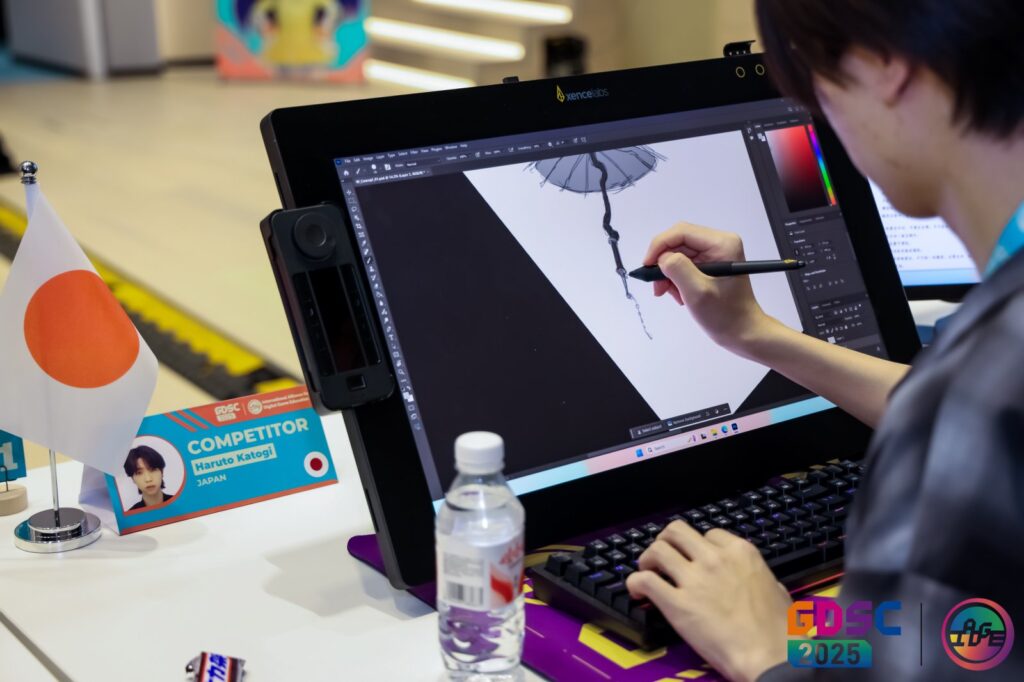
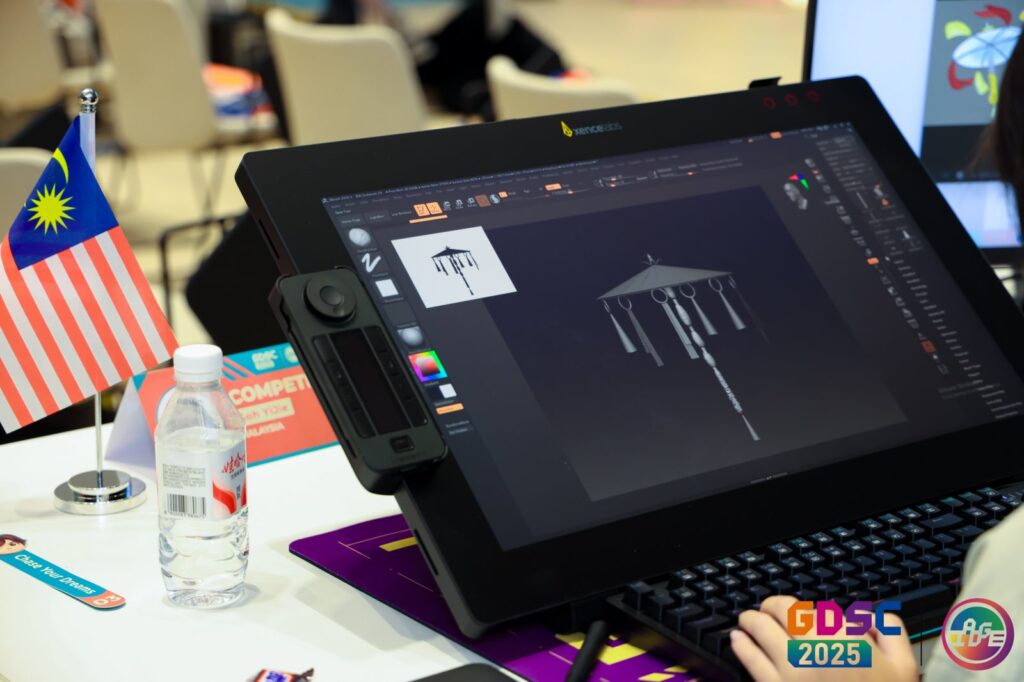
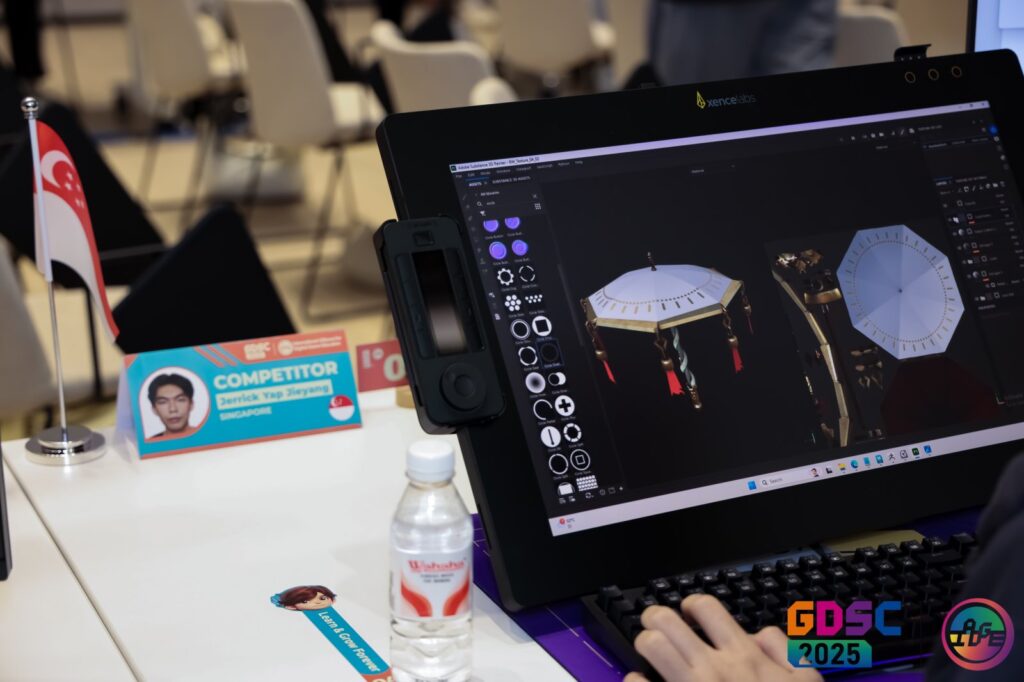
Animation Technology
Animation technology artists use their creativity, technology, and geometry skills to create captivating animated experiences in a video game. 3D digital game artists draw, model, and animate in different styles depending on the type of game and are responsible for every aspect from taking a designer’s brief to using creative, technical, and specialist skills to deliver a marketable game.
The challenge is to take a concept and transform it into a 3D mesh, which harnesses a wide range of skill sets from good geometry decisions to symmetry and texture. 3D digital game artists need a full understanding of concept art skills and animation as well as the ability to create and animate game characters.
The Animation Technology project requires the contestants to be familiar with the tasks of the competition modules, such as shot design, 3D modeling, UV splitting and texture mapping, rigging, lighting rendering, etc. under the specified deadline and pressure. The competition focuses on the assessment of the contestants’ technology, artistic skills and skills development potential, and comprehensively tests their animation creativity and practical skills.